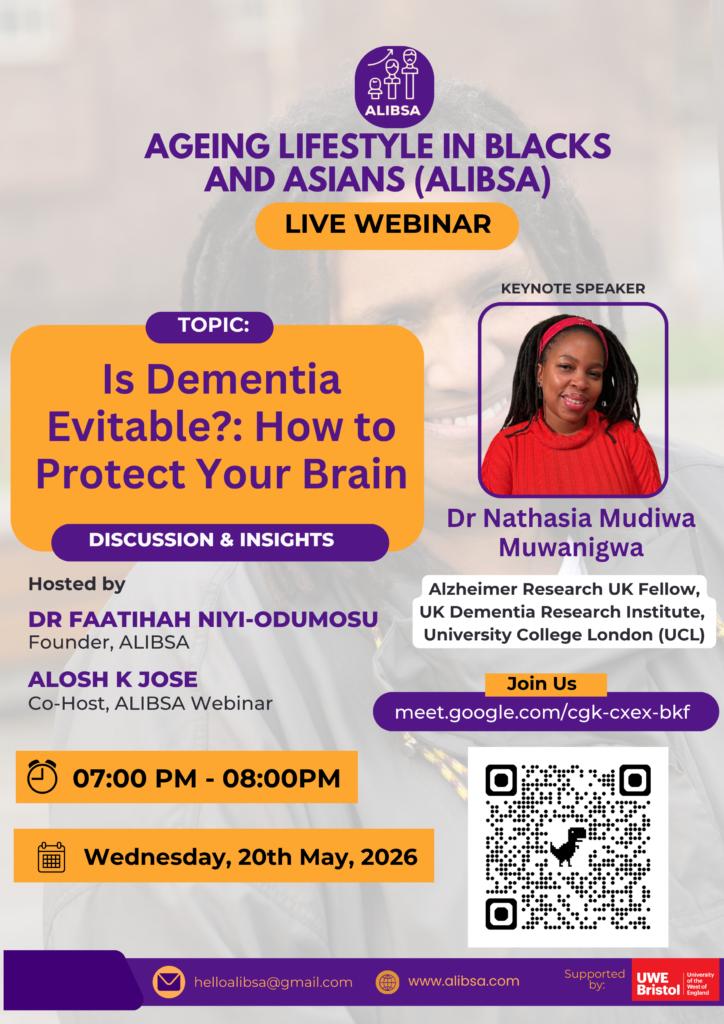

Dementia is a condition that affects memory, thinking, behavior, and the ability to carry out everyday activities. It is not a normal part of aging and includes diseases such as Alzheimer’s disease, vascular dementia, and Lewy body dementia. During the ALIBSA webinar, Dr. Nathasia Mudiwa Muwanigwa, PhD, an Alzhemier Reserach UK Fellow at the UK Dementia Research Institute , UCL highlighted key facts about dementia and practical ways to support brain health.
Understanding Dementia
Dementia develops when brain cells become damaged, leading to problems with memory, reasoning, communication, and daily functioning. Symptoms usually worsen over time, making dementia a progressive condition.Globally, around 55 million people are living with dementia, and the number is expected to increase as populations age.
Risk Factors
Some risk factors cannot be changed, including:
- Age
- Family history and genetics
- Biological sex
However, many risk factors can be managed, such as:
- High blood pressure
- Diabetes
- Smoking
- Excessive alcohol use
- Physical inactivity
- Obesity
- Depression
- Social isolation
- Untreated hearing or vision loss
- Head injuries
Research suggests that addressing these factors may help reduce the risk of developing dementia.
Protecting Your Brain
While there is no guaranteed way to prevent dementia, healthy lifestyle choices can support long-term brain health. These include:
- Staying physically active
- Eating a balanced diet
- Avoiding smoking
- Limiting alcohol consumption
- Managing blood pressure, cholesterol, and diabetes
- Treating hearing and vision problems early
- Staying socially connected
- Keeping the brain active through reading, learning, puzzles, games, and other mentally stimulating activities
Recognizing Early Signs
Early diagnosis can improve access to support and treatment. Common warning signs include:
- Persistent memory loss
- Difficulty completing familiar tasks
- Confusion about time or place
- Changes in mood, behavior, or personality
- Difficulty following conversations or making decisions
Family members are often the first to notice these changes and should seek medical advice if concerns arise.
Looking Ahead
Although there is currently no cure for dementia, research continues to advance. New treatments are helping to slow the progression of some forms of dementia, and scientists are developing easier methods for early diagnosis.
The webinar also emphasized the importance of supporting caregivers and encouraging greater participation in dementia research, particularly among underrepresented communities.
Conclusion
Dementia is a growing global health challenge, but many factors that influence brain health are within our control. Staying active, managing health conditions, maintaining social connections, and keeping the mind engaged can all contribute to healthier aging. Increased awareness, early diagnosis, and continued research remain essential in the fight against dementia.