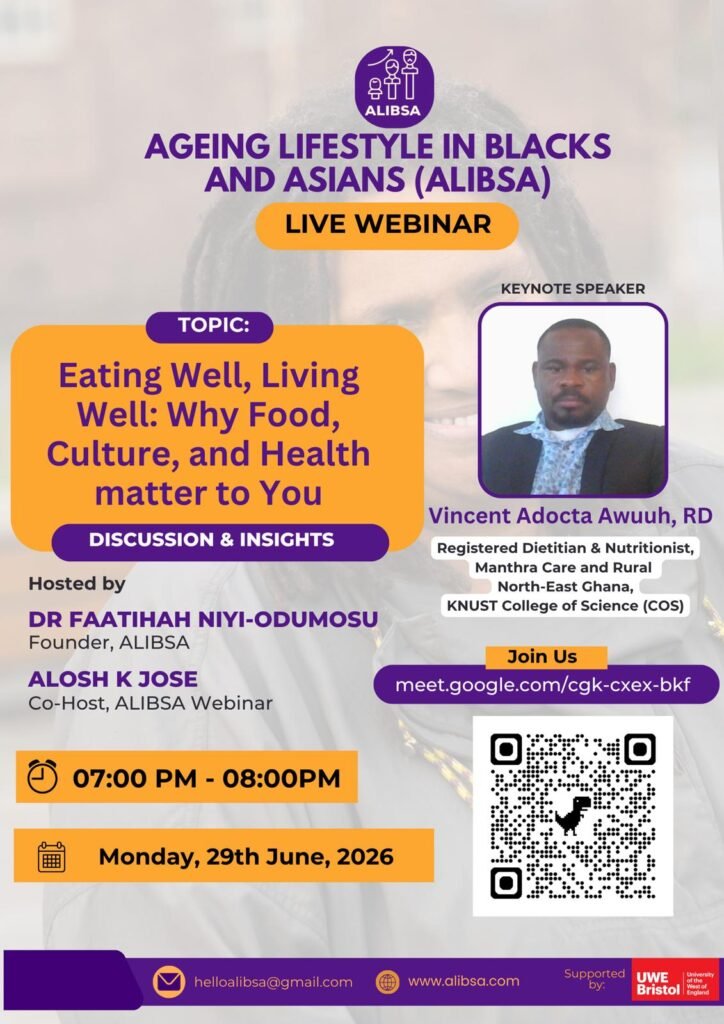

Good health begins with the choices we make every day, and one of the most important is what we eat. This was the central message of the recent webinar, “Eating Well, Living Well: Why Food, Culture and Health Matter to You,” presented by Vincent Adocta Awuuh, a registered dietitian. The session explored the powerful connection between nutrition, culture, and long-term health while offering practical strategies that people can apply in their daily lives.
Why Healthy Eating Matters
As people age, their risk of developing chronic diseases increases. Conditions such as type 2 diabetes, hypertension, cardiovascular disease, stroke, and kidney disease have become increasingly common, particularly among African, Caribbean, and South Asian communities. Research shows that individuals from these communities are two to four times more likely to develop type 2 diabetes than many other populations. However, there is encouraging news: approximately 80% of these chronic diseases can be prevented or delayed through healthy eating and lifestyle changes.
As the famous quote by Hippocrates reminds us:
“Let food be thy medicine and medicine be thy food.” This highlights the important role nutrition plays, not only in treating illness but also in preventing disease before it develops.
Understanding the Risk Factors
The webinar explained that chronic diseases are influenced by both modifiable and non-modifiable risk factors.
Non-modifiable factors include:
- Age, family history, genetics, Ethnicity
Modifiable factors include:
- Poor diet, physical inactivity, excess body weight; particularly abdominal fat, high consumption of ultra-processed foods, excessive sugar intake, high sodium consumption
These lifestyle-related factors contribute to insulin resistance, high blood pressure, obesity, and ultimately increase the risk of developing long-term health conditions.
The Seven Principles of Healthy Eating
A healthy diet is not defined by one “superfood” or one perfect meal. Instead, it is built on several important principles that work together.
- Eat Enough: Your body needs adequate nourishment to support daily activities. Eating too little can deprive the body of essential nutrients and energy.
- Build a Balanced Plate: Every meal should include foods from the major food groups: Fruits and vegetables, Carbohydrates, Protein and Healthy fats. No single food provides every nutrient the body needs.
- Include Variety: Even within the same food group, variety matters. Instead of eating the same vegetables every day, rotate between spinach, broccoli, cabbage, leafy greens, tomatoes, and other options to obtain a wider range of nutrients.
- Practice Moderation: Foods high in sugar, salt, unhealthy fats, and empty calories should not necessarily be eliminated but should be consumed in moderation.
- Choose Nutrient-Dense Foods: Foods should provide more than just calories. Nutrient-rich foods supply vitamins, minerals, protein, fibre, and healthy fats that support overall wellbeing.
- Balance Calories with Physical Activity: Energy intake should match energy expenditure. Individuals with more sedentary lifestyles generally require fewer calories than those who are physically active.
- Eat Regularly: Meal timing also matters. Planning meals and avoiding unnecessary meal skipping helps regulate appetite, maintain steady energy levels, and prevent overeating later in the day.
One of the webinar’s strongest messages challenged a common misconception about traditional cultural foods are unhealthy. According to the speaker, our cultural foods are not the problem. The issue lies in how they are prepared, portioned, and combined. Traditional African, Caribbean, Asian, and other cultural diets contain many nutritious foods. Healthy eating simply requires balancing these foods appropriately.
For example, an ideal African-Caribbean plate should include:
- Half the plate filled with fruits and vegetables
- One quarter made up of healthy carbohydrates such as yam, cassava, sweet potato, or whole grains
- One quarter consisting of healthy protein sources
- Limited amounts of oils, refined carbohydrates, and saturated fats
This same principle applies across different cultures, with only the specific foods varying.
Key Nutrients for Long-Term Health
The webinar highlighted several nutrients that play a vital role in disease prevention and healthy ageing.
- Dietary Fibre: supports digestion, improves blood sugar control, lowers cholesterol, and promotes fullness. Good sources include: brown rice, oats, beans, vegetables, whole grains
- Potassium: potassium helps regulate blood pressure. Good sources include: Bananas, Sweet potatoes, leafy green vegetables
- Protein: Healthy protein supports muscle maintenance and overall health. Recommended sources include; fish, lean meats, legumes, plant-based proteins
- Healthy Fats like Omega-3 fats contribute to heart and brain health.
- Vitamin D: particularly for people living in countries with limited sunlight during winter, vitamin D supplementation may be necessary under medical guidance to support bone health.
Importantly, healthy eating should complement not replace prescribed medications. Anyone taking medications such as warfarin, metformin, or blood pressure medicines should consult their healthcare provider before making significant dietary changes.
Practical Steps Towards Healthier Living
Healthy eating does not require dramatic changes. Small, consistent improvements often produce the greatest long-term results.
Some practical recommendations included:
- Replace white rice with brown rice whenever possible.
- Eat more fruits and vegetables daily.
- Choose whole grains instead of refined carbohydrates.
- Reduce salt intake and use herbs and spices instead.
- Limit sugary drinks and processed foods.
- Prepare meals at home more often to control ingredients.
- Stay hydrated throughout the day.
- Aim for at least 30 minutes of physical activity most days of the week.
The speaker also encouraged participants to know their health numbers, including:
Body Mass Index (BMI), waist circumference, blood pressure, blood glucose, HbA1c (glycated haemoglobin)
Regular health checks can identify risk factors before serious disease develops.
Small Changes Can Produce Big Results
The webinar shared a practical example from clinical practice involving a client with prediabetes.
By making a few simple lifestyle changes including replacing white rice with brown rice several times a week, increasing leafy green vegetables, replacing stock cubes with herbs and spices, and walking for 20 minutes after dinner the client successfully returned their HbA1c levels to the normal range within three months.
The story demonstrated that sustainable, everyday habits can lead to significant health improvements.
Questions from Participants
Is drinking lemon water better than plain water?
The speaker explained that plain water remains the best choice for hydration. Lemon can be added if it encourages someone to drink more water, provided no sugar is added. However, there is no evidence that lemon water alone provides extraordinary health benefits.
Can a healthy diet reverse type 2 diabetes?
Healthy eating can significantly improve blood sugar control and, in some cases, help individuals achieve diabetes remission or better management, particularly when combined with weight loss and increased physical activity.
Does eating three meals a day cause weight gain?
Not necessarily. Weight gain depends on total calorie intake, portion sizes, food quality, and physical activity not simply the number of meals consumed.
Is it better to eat quickly or slowly?
Eating slowly is encouraged. It takes approximately 20 minutes for the brain to receive fullness signals from the stomach. Slower eating helps prevent overeating and promotes better digestion.
Are garlic and ginger healthy?
Yes. Garlic and ginger are nutritious spices that can be included regularly in cooking. However, there is insufficient evidence to recommend taking them on an empty stomach or at specific times of the day solely for health benefits.
Key Takeaways
The webinar reinforced several important messages:
- Most chronic diseases are preventable through evidence-based dietary and lifestyle changes.
- Healthy eating is about consistency rather than perfection.
- Cultural foods should be celebrated, not avoided—they simply need to be prepared and balanced appropriately.
- Small, sustainable changes often produce better long-term outcomes than drastic diets.
- Nutrition advice should come from qualified healthcare professionals rather than unverified information on social media.
Ultimately, healthy living is not about giving up the foods we love. It is about making smarter choices, maintaining balance, and creating habits that support lifelong wellbeing. By embracing healthy eating within our own cultural traditions, we can reduce our risk of chronic disease and enjoy healthier, more fulfilling lives