


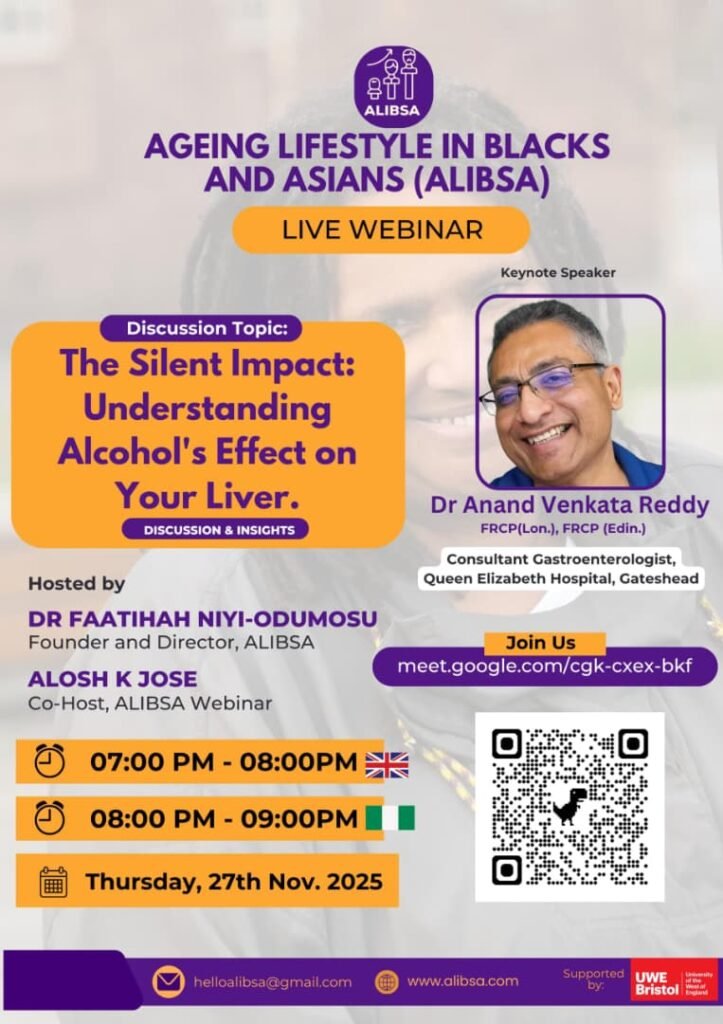
Alcohol-related liver disease (ARLD) is often described as a silent condition, and for good reason. Long before any symptoms appear, alcohol begins to affect the liver’s ability to repair itself, filter toxins, and maintain healthy metabolic function. By the time people notice fatigue, pain, or jaundice, significant damage may already be present. Understanding the hidden effects of alcohol and the personal factors that increase risk is essential for protecting long-term health.
Why Alcohol Takes a Global Toll
Alcohol continues to be a major contributor to disease burden worldwide. Data referenced from the Global Burden of Disease 2016 report and UK specific statistics highlight the rising impact of alcohol-related harm. These trends show that ARLD is not only common but also preventable, making awareness and early detection more important than ever.
Who Is Most Vulnerable? Understanding Risk Factors
Not everyone responds to alcohol the same way. Several factors make certain individuals more susceptible to liver damage, even at lower levels of drinking. These include:
- Overweight or obesity, which increases fat accumulation in the liver
- Type 2 diabetes, heightening metabolic vulnerability
- Female sex, as women experience alcohol-related harm at lower doses
- Genetics, since family history influences both dependence and disease
- Pre-existing liver conditions, such as hepatitis C or haemochromatosis
These elements can dramatically narrow the margin between “low risk” and harmful drinking The silent impact.
What Safe Drinking Really Means
Despite common misconceptions, “moderate” drinking isn’t the same for everyone. UK guidance recommends:
- No more than 14 units per week
- Spreading drinking across several days
- Having two to three consecutive alcohol-free days each week
These simple practices reduce strain on the liver and allow time for recovery. For those unsure about their risk level, validated screening tools such as ELF, FIB-4, and FibroScan can identify early fibrosis often before any symptoms develop. Early knowledge empowers individuals to change course before irreversible damage sets in.
The Role of Screening in Healthcare Settings
Healthcare professionals play a crucial role in identifying silent liver disease. In routine practice, teams often use:
- AUDIT-C questionnaires to measure alcohol use
- Brief interventions to support behaviour change
- FibroScan assessments to evaluate liver stiffness
- Surveillance clinics for cirrhosis, varices, and hepatocellular carcinoma
These steps help detect ARLD early and monitor those already showing signs of chronic damage. Routine screening ensures that at-risk individuals receive timely guidance, surveillance, or treatment, reducing long-term complications.
Balancing Perceived Benefits with Real Risks
Some evidence suggests limited cardiovascular, diabetes, or rheumatoid arthritis benefits from low level alcohol consumption. However, these potential benefits must be weighed against clear risks. WHO guidance underscores that even low to moderate drinking increases cancer risk, and the acceptable “safe” window is far narrower than many people assume. Social factors, cultural norms, and the role of alcohol in daily life further complicate individual decisionmaking topics that warrant deeper reflection and open conversation.
A Preventable Disease Hidden in Plain Sight
ARLD stands out as a chronic condition with largely modifiable risk factors. Reducing alcohol intake, understanding personal vulnerability, and engaging in early screening can significantly lower the likelihood of developing serious liver disease. While alcohol is woven into social life for many, informed choices and practical safeguards can protect liver health without requiring complete abstinence for everyone.
The real challenge and opportunity lies in recognising early risks and acting before silent damage becomes a lifelong burden.
Stay in touch with us via our website, and other social media handles.